Back & Neck Pain: What the Latest Research Says (and How Physical Therapy in Epping & Stratham, NH Can Help)
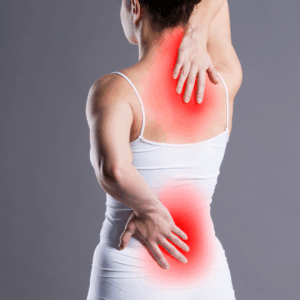
Back and neck pain can make everyday life feel like you’re moving in slow motion—less movement, less sleep, less confidence. There is a lot of research that points to most spine pain being changeable, and what you do next matters a lot more than what your MRI says.
At Bodywise Physical Therapy & Wellness, we follow the science closely and then translate it into treatment plans for people in Epping, Stratham, and the surrounding Seacoast communities. bodywisenh.com+1
This article breaks down what recent evidence and current clinical practice guidelines say about low back and neck pain.
How common is low back and neck pain?
You’re definitely not alone.
-
Global studies show low back pain is now the leading cause of years lived with disability worldwide. The Lancet+1
-
Lifetime prevalence is estimated up to 84% of adults—meaning most people will experience significant back pain at some point. BioMed Central
-
Neck pain is similarly common and is a major contributor to work limitations, headaches, and reduced quality of life. JOSPT+1
The sheer numbers show that this is common, and the research also shows something hopeful: for most people, spine pain is not caused by something dangerous, and it responds well to the right combination of movement, education, and targeted treatment. bodywisenh.com+1
If you’d like a quick snapshot of how widespread back pain is (and why there’s still reason for optimism), you can also read Bodywise’s article “10 Facts & Stats About Low Back Pain.” bodywisenh.com
Why does my back or neck hurt? (The updated view)
Recent research has moved us away from thinking of back and neck pain as “one problem, one cause.” Instead, most cases are multifactorial—a mix of:
-
Tissue and joint factors
-
Disc bulges or herniations
-
Age‑related changes in discs and joints (arthritis, stenosis)
-
Facet joint irritation
-
Sacroiliac (SI) joint dysfunction around the beltline
-
-
Muscular and movement factors
-
Stiffness in some areas (often the hips, mid‑back, or neck)
-
Weakness or poor endurance in others (often the deep core, glutes, and shoulder girdle)
-
Repetitive movements, heavy lifting, or awkward postures at work
-
-
Lifestyle and load factors
-
Lots of sitting, especially with head‑forward posture or laptop use
-
Sudden changes in activity (weekend-warrior yard work, a new workout, etc.)
-
-
Nervous system and emotional factors
-
Stress, poor sleep, and worry about pain can increase sensitivity
-
After 3–6 months, long‑lasting pain often reflects a “turned up” nervous system as much as local tissue irritation
-
Recent guidelines emphasize this last piece: persistent pain is often driven by changes in the nervous system and how we respond to it, not just “wear and tear.” That’s why two people with the same MRI can have totally different symptoms—and why we believe that mindset, education, and movement matter so much. BioMed Central+1
What do the latest low back pain guidelines recommend?
In 2023, the World Health Organization (WHO) released its first-ever guideline for nonsurgical management of chronic low back pain in adults. World Health Organization+1
A 2024 review of clinical practice guidelines from around the world came to the same conclusion: there’s strong agreement on the core ingredients of effective care. BioMed Central+2ScienceDirect+2
Across high‑quality guidelines, you’ll see the same themes:
1. Education and reassurance
Patients should be given clear explanations that:
-
Most low back pain is not caused by a dangerous disease
-
Imaging (MRI, X‑ray) is often not needed unless red flags are present
-
Staying as active as possible is better than bed rest
- Persistent, long-standing, low back and neck pain can be improved and even cleared.
Education and advice are recommended as a first‑line intervention in the WHO guideline and supporting systematic reviews. World Health Organization+1
2. Stay active and avoid prolonged bed rest
Every guideline reviewed (100%) recommended at least one type of exercise, and nearly 90% specifically advised people to stay active rather than resting in bed. ScienceDirect+1
That doesn’t mean “ignore the pain.” It means:
-
Keep moving within tolerable limits
-
Use relative rest (modifying what you do), not total rest
3. Exercise and strength training as core treatment
Recommended exercise approaches include:
-
Graded activity and strengthening for the trunk, hips, and legs. Prescribed by experienced physical therapists.
-
Aerobic activity like walking, cycling, or swimming
-
Targeted flexibility and mobility work
These strategies have been shown to improve pain, function, and quality of life, and they help prevent flare‑ups from coming back. BioMed Central+1
4. Manual therapy and spinal manipulation
Many guidelines support using manual therapy (joint mobilization, manipulation, and soft‑tissue techniques) as part of a comprehensive plan, especially early on, when combined with exercise and education. JOSPT+1
That aligns directly with Bodywise’s emphasis on:
-
Spinal manipulation
-
Manual therapy and IASTM/Graston®
- Spinal Decompression
-
Hands‑on treatment to help you move more easily and comfortably bodywisenh.com+1
5. Lifestyle, psychology, and work factors
Evidence‑based care should also address:
-
Sleep, stress, and coping strategies
-
Work demands and ergonomics
-
Gradual return to the activities you care about most
Persistent pain often improves when we change the “inputs” to the nervous system—not just when we target a single joint or disc. At Bodywise, we look at the whole picture, not just the injury.
6. Medications, injections, and surgery
Guidelines don’t dismiss these options, but they recommend using them strategically:
-
Medications (like NSAIDs) can be helpful, especially short-term
-
Injections and surgery are typically reserved for specific conditions or when conservative care hasn’t helped enough
The key message from the research: for most people, start with high‑value conservative care at Bodywise (education, exercise, manual therapy, and lifestyle change), and then consult with your physical therapist to decide if and when other options belong in your plan.
What about neck pain? What do the guidelines say?
The Neck Pain: Revision 2017 guideline from the Orthopaedic Section of the American Physical Therapy Association and related updates provide a similarly clear message for neck pain. JOSPT+2Academia+2
For many people with neck pain (with or without headaches or arm symptoms), the recommended approach includes:
-
Specific neck and upper‑back exercises
-
Postural and scapular strengthening
-
Manual therapy and, in some cases, traction
-
Education to stay active and manage flare-ups
Again, this matches what evidence‑based physical therapists do day‑to‑day: combine movement, strength, and hands‑on care rather than relying on any one “magic” treatment.
Walking: one of the simplest research‑backed tools
One of the most encouraging recent findings: walking—something most of us can do—really does help.
A large study published in 2024 followed over 11,000 adults and found that people who walked more than 100 minutes per day had a 23% lower risk of developing chronic low back pain than those who walked less. Walking at a moderate or brisk pace also reduced risk. Health+1
Other research and expert commentary highlight that:
-
Walking improves blood flow to the discs and muscles
-
It helps reduce stiffness and inflammation
-
It boosts mood and reduces the stress that can amplify pain signals The Guardian+1
Check out one of our most popular stretches as an addition to walking: “One Quick Exercise for Low Back Stiffness”—simple, consistent movement can make a big difference for everyday spine stiffness. bodywisenh.com
How Bodywise puts the research into practice
If you look at the Physical Therapy Treatments & Services page for Bodywise, you’ll see a wide range of tools—each chosen to fit into this evidence‑based framework. bodywisenh.com+1
Here’s how current science maps onto what we offer for back and neck pain:
1. One‑to‑one care with a Doctor of Physical Therapy
-
Thorough evaluation of your spine, movement patterns, strength, and goals
-
Clear explanation of what’s going on and how long recovery might take
-
A personalized plan based on guidelines and your unique situation
2. Research‑aligned exercise and movement programs
We build programs that reflect what guidelines support:
-
Core and hip strength for low back pain
-
Neck, upper‑back, and shoulder‑blade strength for neck pain
-
Gradual progression toward your real‑life goals (work, sports, hobbies, family activities)
Check out our related blog: “Causes of Joint Pain and Quick Fixes”, which highlights proper exercise and activity as key to long‑term joint health. bodywisenh.com
3. Manual therapy, spinal manipulation, and Spinal Decompression
Manual techniques can:
-
Improve motion in stiff joints
-
Decrease muscle guarding and pain
-
Make it easier for you to exercise and move well
At Bodywise, therapists use multiple manual therapy options—including spinal manipulation and spinal decompression—to help “clear the road” so your exercises can work even better. bodywisenh.com+1
4. Advanced technologies that support healing
While guidelines emphasize movement and education as the foundation, there’s also growing interest in cutting-edge treatments that help with pain, inflammation, or nerve irritation when used appropriately.
Bodywise offers several of these, including:
-
Class IV Laser Therapy – used to reduce inflammation, improve circulation, and support tissue healing in both acute and chronic conditions. bodywisenh.com+2bodywisenh.com+2
-
Nonsurgical spinal decompression – targeted cervical or lumbar decompression to reduce pressure on discs and nerves in selected patients with disc bulges, stenosis, or sciatica. bodywisenh.com+1
-
Dry needling and other soft‑tissue approaches – to calm trigger points, decrease pain, and improve muscle function. bodywisenh.com+1
5. We can help you navigate the system and build “your team”
Bodywise frequently coordinates care with:
-
Primary care providers
-
Surgeons
-
Pain Specialists
- Massage Therapists
-
Other allied health professionals
You remain the decision‑maker, but you’re not left to figure things out alone. This team‑based model is reinforced in Bodywise’s own story and values: patient‑centered, 1‑to‑1, and built on long‑term relationships. bodywisenh.com+2bodywisenh.com+2
Simple research‑backed steps you can start today
These ideas are general, not a personalized plan—but they parallel what current evidence suggests for many people with non‑serious back and neck pain:
-
Break up long sitting
-
Stand and move for 2–3 minutes every 30–60 minutes
-
Adjust your screen so you’re not constantly looking down
-
-
Walk more (within your limits)
-
Start with short, comfortable walks and build up over time
-
Aim for more total walking minutes throughout the day as you’re able Health+1
-
-
Do one or two gentle motions that feel safe
-
For minor low back stiffness, consider the move from “One Quick Exercise for Low Back Stiffness.” bodywisenh.com
-
For neck tension, try gentle chin tucks and shoulder‑blade squeezes—without forcing into pain
-
-
Notice, don’t fear, mild pain
-
Guideline‑based care allows for mild discomfort during activity while avoiding sharp, spreading, or worsening symptoms
-
-
Build your care team early, not late
-
If pain is affecting sleep, mood, or everyday tasks, don’t wait months to seek help. Early, guideline‑based care tends to lead to better outcomes. JOSPT
-
When back or neck pain needs urgent attention
Research and guidelines also highlight red flags—situations where spine pain should be evaluated urgently:
-
New trouble controlling bladder or bowels
-
Numbness in the groin or inner thighs (“saddle” region)
-
Sudden, severe weakness in an arm or leg
-
Back or neck pain after a major fall, crash, or trauma
-
Fever, chills, or unexplained weight loss along with back/neck pain
If you notice any of these, seek urgent medical care. Otherwise, a Doctor of Physical Therapy is often a great first stop to screen for serious problems and start conservative care. World Health Organization+1
Putting research to work for you in Epping & Stratham, NH
Bodywise Physical Therapy & Wellness provides 1‑to‑1, evidence‑informed care at both of our locations:
-
Stratham, NH: https://bodywisenh.com/locations/bodywise-physical-therapy-stratham/ bodywisenh.com
-
Epping, NH: (main clinic/home page) https://bodywisenh.com/ bodywisenh.com+1
We combine:
-
Current research and clinical practice guidelines
-
A wide range of conservative and advanced tools
-
A commitment to listening first and tailoring care to your goals
If back or neck pain is limiting your life, you don’t have to choose between “doing nothing” and “jumping straight to surgery.” There is a large, evidence‑based middle ground—and physical therapy is right at the center of it.
Want to learn more? Read our mini-book: 3 Steps To Back Pain Relief by Ryan Poplaski, MPT